Blue Dream And The Mainstreaming Of West Coast Cannabis
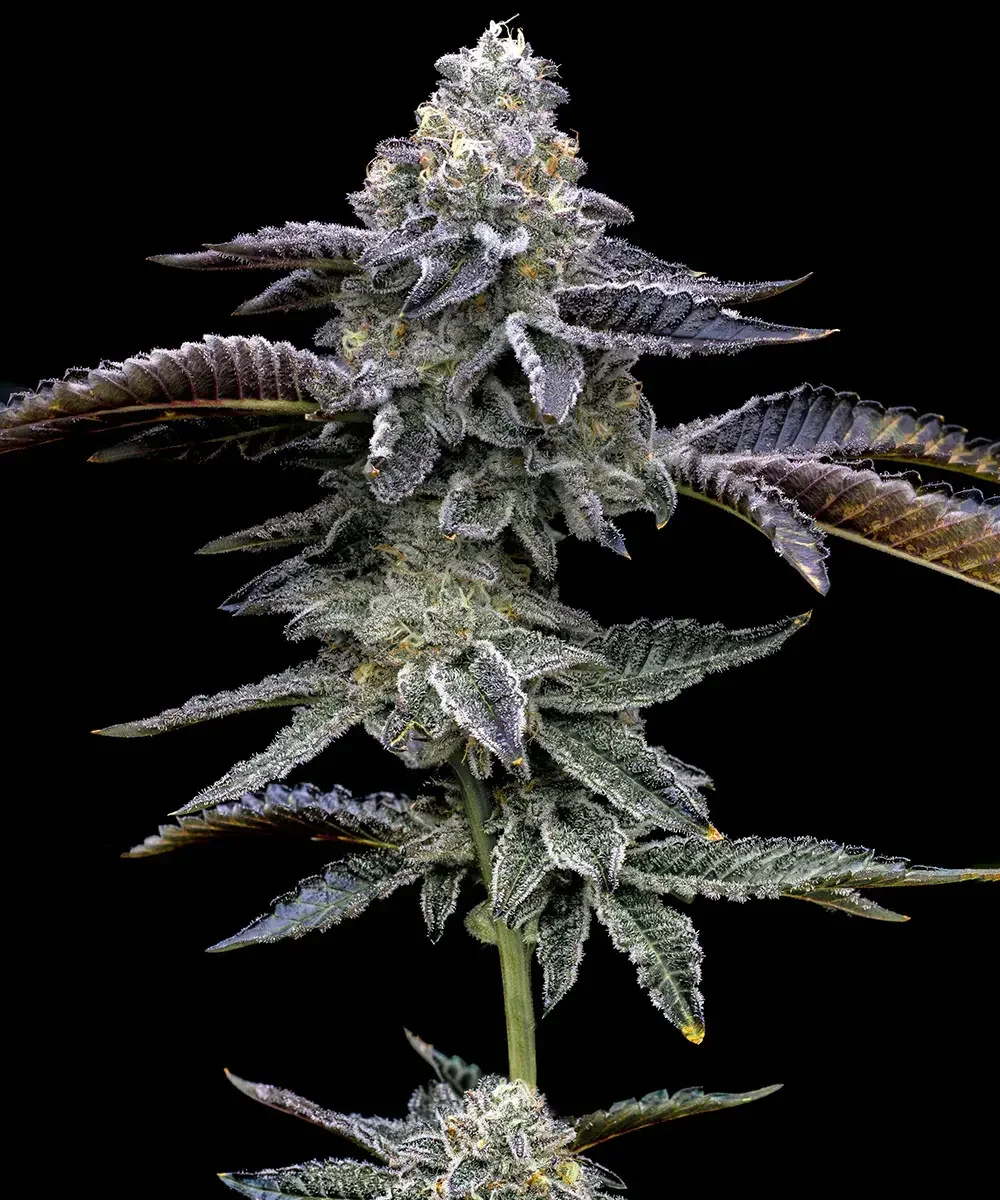
Blue Dream occupies a rare position in cannabis history. It is one of the few strains that successfully bridged underground culture, medical cannabis, and mainstream consumer adoption without losing its identity. While many influential strains remained niche or regionally dominant, Blue Dream became widely recognized across the United States and beyond, shaping expectations around flavor, balance, and accessibility.
This strain spotlight examines the origins of Blue Dream, its rise within California’s medical cannabis era, and its role in normalizing cannabis for a broader audience. It is a historical recounting rather than a review or endorsement.
Northern California Roots
Blue Dream originated in Northern California, a region long associated with cannabis innovation and cultivation expertise. While precise documentation is limited due to the underground nature of early cultivation, Blue Dream is widely understood to be a cross between Blueberry, an indica-dominant strain developed by DJ Short, and Haze, a sativa lineage with deep roots in California and global landrace genetics.
This pairing produced a hybrid that reflected Northern California’s cultivation philosophy. Growers in the region often prioritized balance, flavor, and adaptability over extreme expressions. Blue Dream emerged as a cultivar that performed well in diverse environments and appealed to a wide range of consumers.
Emergence During The Medical Cannabis Era
Blue Dream rose to prominence during the expansion of California’s medical cannabis market in the early 2000s. As dispensaries became more common, patients sought strains that offered consistency, functional effects, and manageable intensity. Blue Dream aligned with these needs.
Its balanced profile made it approachable for new patients while still satisfying experienced consumers. Dispensaries quickly recognized its appeal and began carrying it regularly.
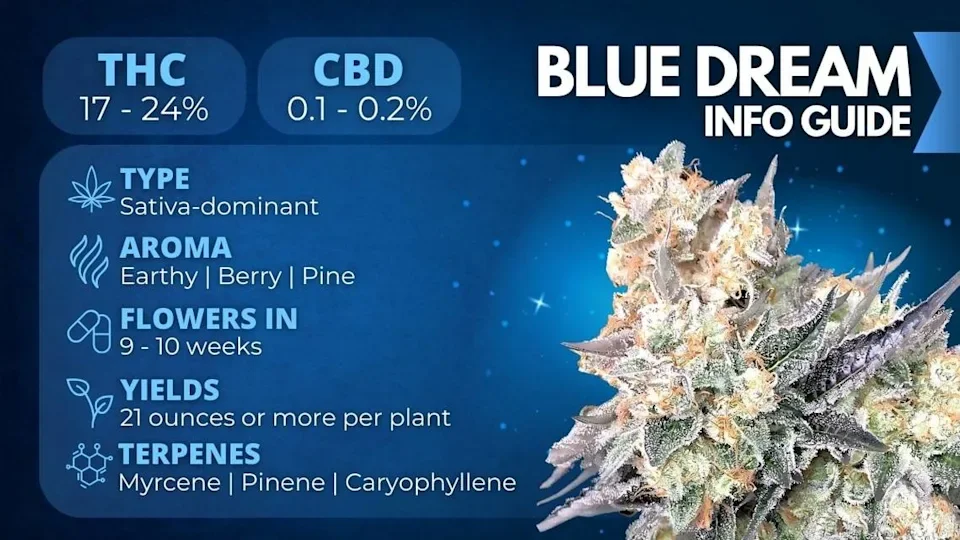
Over time, Blue Dream became one of the most requested strains in California.
This period marked a shift in cannabis culture. Strains were no longer circulated solely through underground networks. They were discussed openly in medical contexts. Blue Dream helped define what a medical-era staple looked like.
A Cultivar That Redefined Balance
Blue Dream challenged the idea that cannabis needed to be extreme to be valued. Its reputation was built on balance rather than intensity. This made it a favorite among consumers seeking daytime use, creativity, or relaxation without sedation.
The strain’s approachable nature helped broaden the cannabis audience. It appealed to professionals, artists, patients, and casual consumers alike. Blue Dream demonstrated that cannabis could fit into everyday life rather than existing solely as a countercultural symbol.
This shift played a role in normalizing cannabis during a critical period of policy change and public debate.