Cannabis Microdosing 101: Your 2025-2026 Back‑to‑Work Focus Guide

What Is Cannabis Microdosing?
Cannabis microdosing means taking very small amounts of THC—usually between 1 and 5 milligrams per dose. These tiny amounts typically won’t get you high or disrupt clear thinking. The goal is to feel subtle benefits like better focus or improved mood while staying completely functional at work.
Think of it like having half a cup of coffee instead of three shots of espresso—you get a lift without jitters or a crash. With cannabis microdosing, you might feel a little more creative or less stressed, but your colleagues won’t notice any impairment in how you work.
THC vs. CBD for workplace productivity
THC microdosing: May support focus, creativity, and mood.
CBD microdosing: Targets anxiety and inflammation without intoxication.
Combined approach: Some people use both for a balanced effect.
The key difference from regular cannabis use is dose size. While recreational users might consume 10–20 mg or more, microdosers stick to amounts so small they barely feel them.
Why Professionals Microdose for Focus
Working adults turn to cannabis microdosing because traditional productivity methods don’t always cut it. Coffee can be anxiety‑provoking, energy drinks can cause crashes, and some prescription stimulants have side effects people want to avoid.
At sub‑perceptual doses, THC can lift mood just enough to make tedious tasks feel manageable. It’s not about getting stoned at work—it’s about finding that sweet spot where you feel engaged and alert.
Common workplace benefits people report:
Reduced meeting anxiety: Calmer during presentations and tough conversations.
Enhanced creativity: New ideas and solutions surface more easily.
Better task focus: Easier to stay with boring but necessary work.
Improved mood: Less irritability on stressful days.
The effects are subtle enough that most people can microdose and still take meetings, make decisions, and handle complex projects without obvious intoxication.
How THC Works in Your Brain for Better Attention
Your brain has a built‑in network called the endocannabinoid system that helps regulate mood, attention, and motivation. THC interacts with this system—primarily at CB1 receptors.
At microdose levels, THC gently activates these receptors rather than overwhelming them. The result can be small changes in how your brain prioritizes information and handles stress. THC also nudges dopamine, a neurotransmitter tied to motivation and reward. A slight boost can make routine tasks feel more engaging.
Some people add CBD to smooth out unwanted THC effects (like anxious or racy thoughts). CBD acts on different receptors and can create a more balanced experience.
Finding Your Personal Microdose Amount
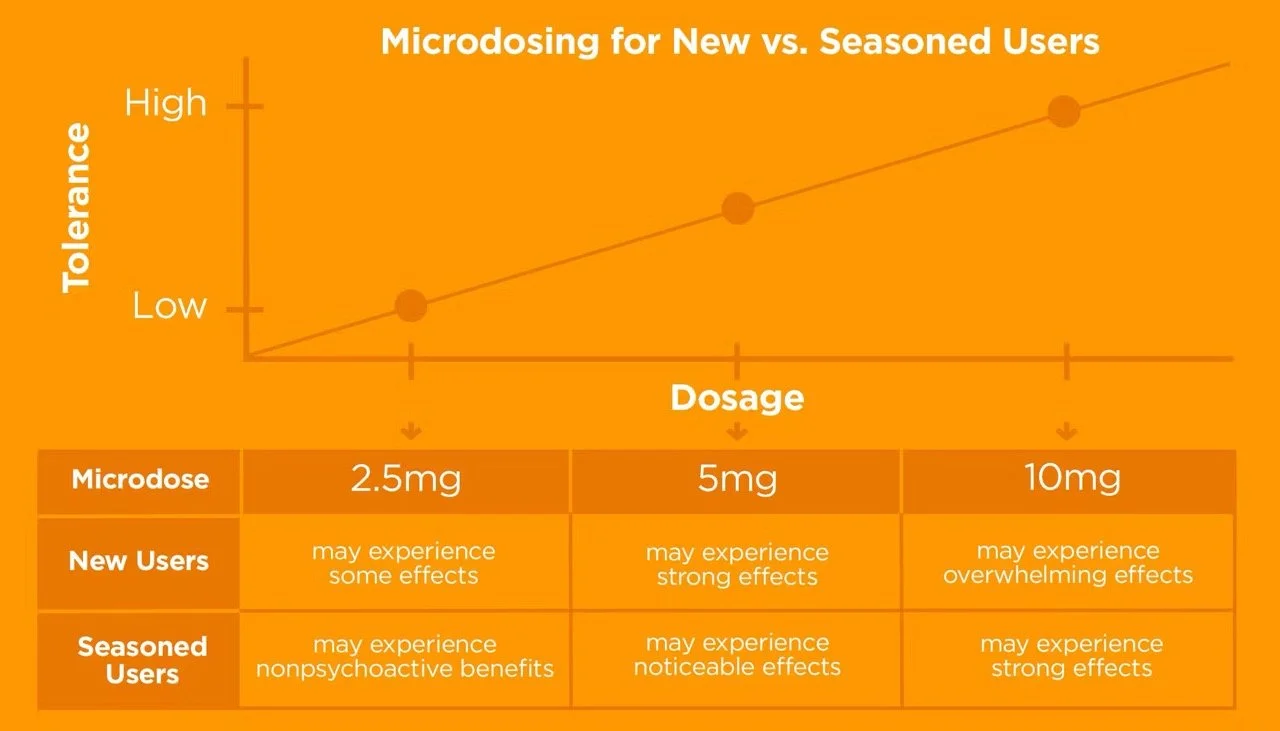
Most people start at 1 mg THC and increase slowly. That might sound impossibly small—that’s the point. Microdosing uses just enough to create subtle benefits without crossing into obvious effects.
Your ideal dose depends on body weight, prior cannabis exposure, and individual sensitivity. Someone with no cannabis experience might feel 1 mg, while a more experienced user might need 3–5 mg.
Step‑by‑step approach:
Week 1: Try 1.0 mg and wait a full day to evaluate.
Week 2: If nothing noticeable, increase to 1.5 mg.
Week 3+: Continue increasing by 0.5 mg until you notice subtle benefits.
Stop increasing when you feel impairment or strong effects.
Keep brief notes about dose, time, work performance, mood, and sleep. This helps you dial in the sweet spot.