Delaware Governor Says County’s Move To Loosen Marijuana Business Zoning Rules Is A ‘Good Step’
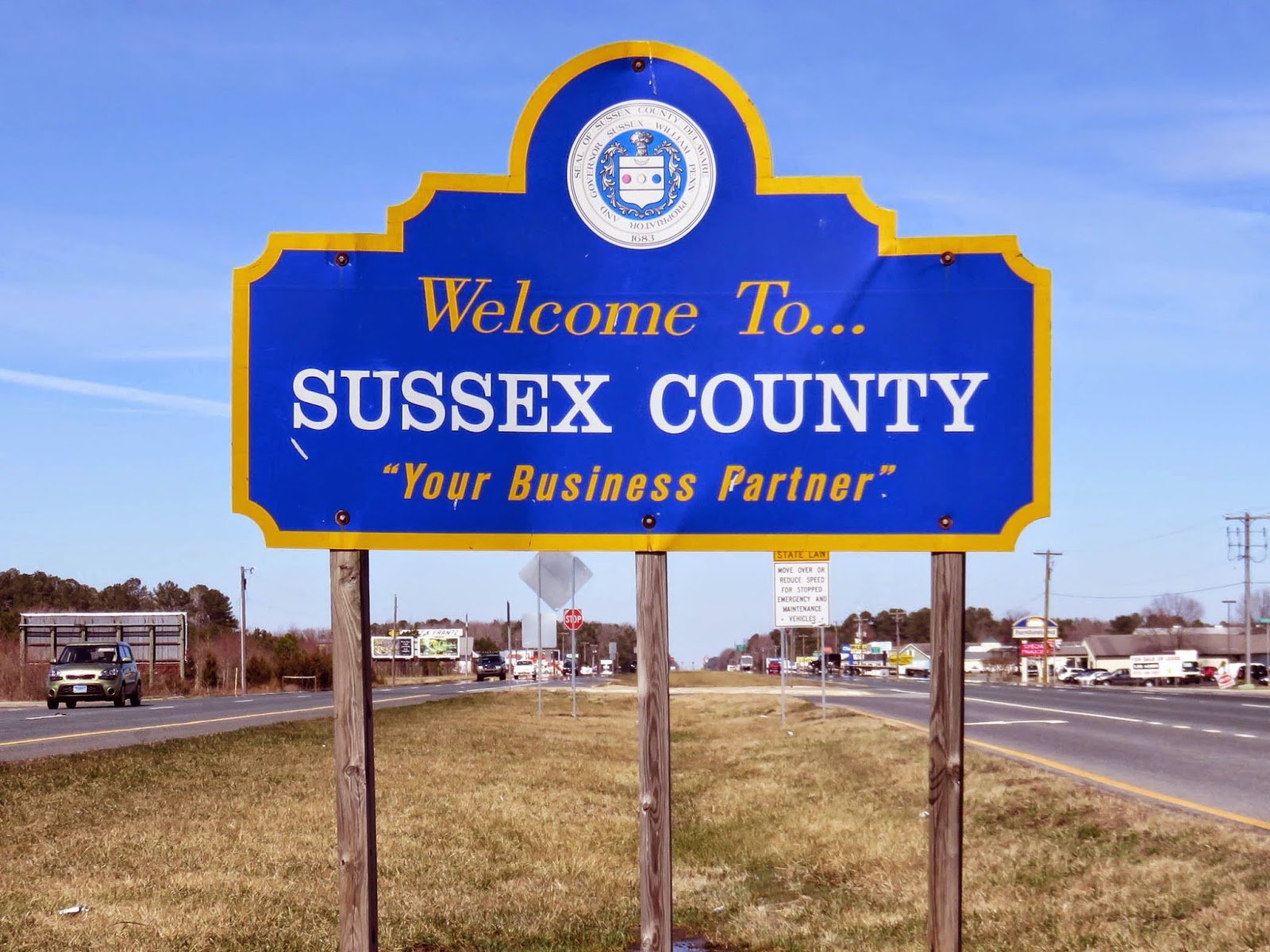
Less than three months after Gov. Matt Meyer (D) vetoed legislation to override Sussex County’s restrictions on recreational marijuana businesses, the county council has amended its zoning rules for them—but it’s unclear whether those changes will make a meaningful difference in the industry’s growth in southern Delaware.
Meyer controversially vetoed a bill advanced by his fellow Democrats in the statehouse to loosen the reins on where marijuana dispensaries could locate. The governor cited concerns over subverting local control on zoning issues, and instead proposed a deal.

If Sussex County removed its conditional use requirement for marijuana retail shops, which gives county leaders wide latitude over where to allow such storefronts, and reduced buffer requirements for them, he would advocate for sending 4.5 percent of marijuana sales tax proceeds to the county or municipality in which a marijuana business is located.
On Tuesday, the Sussex County Council voted 4-1–Councilman John Rieley was the lone dissenter, expressing concern with marijuana use overall–to amend its zoning code to remove conditional use requirements for both the C2 (General Commercial) and C3 (Medium Commercial) zones. It also lowered the required buffer between a retail shop and the boundaries of towns or cities to from 3 miles to a half mile.
However, the county retained 3-mile buffers between marijuana dispensaries and between a dispensary and any church, school, college or substance abuse treatment facility.
“I don’t think in Dover we should be saying that in Fenwick Island or in Claymont, you have to allow a marijuana store 500 feet from elementary school,” he said. “We’ll continue to watch to make sure that public safety is being served across the state and to make sure that the business needs of consumers are being addressed.”
Meanwhile, Democratic statehouse leaders had committed to attempting to override Meyer’s veto when they returned to Dover in January. It would require nearly all Democratic lawmakers to back that effort to clear the three-fifths threshold, assuming all Republicans deny it.
A request for comment to State Sen. Trey Paradee (D-Dover), who sponsored a bill to overrule Sussex County’s zoning and lower buffers to 500 feet, on whether Sussex County’s amendments may avert that effort was not returned Wednesday night. He was among legislators who met Wednesday in Dover for an extraordinary session on corporate tax reform.