How to tell if weed is good: 4 tips for buying flower
Shopping for good weed is like shopping for good produce. Flower should look and smell fresh. But there are other characteristics to keep in mind to ensure you're getting the best nugs for your money.
Learn the difference between private reserve and top-shelf flower, how smell, appearance, and flower structure indicate quality weed, and why price isn't everything.
What's private reserve weed?
Cannabis usually comes in four categories in the regulated market: house or compassion shelf, mid-shelf, top shelf, and private reserve. Private reserve refers to the highest tier of cured cannabis flower available from a dispensary or delivery service.
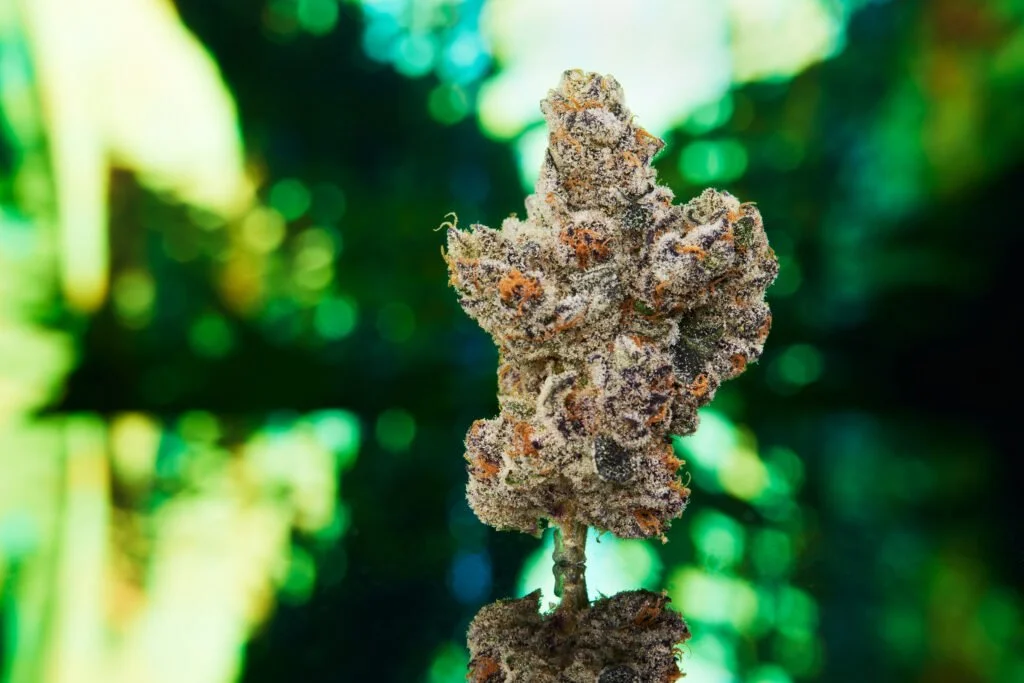
It typically has the following characteristics:
Small batch: While all craft cannabis is dried and cured for optimal usability and quality, private reserve flowers are specially cared for to preserve their terpene and cannabinoid content. Cultivators set aside small batches of flower that exhibit qualities such as vibrant color, pungent aroma, and unique bud structure.
High prices: Each tiered cannabis shelf has a different price range, and customers can expect to pay a premium price for premium buds. Private reserve strains are known for their exclusivity and can include rare, popular, and award-winning strains by celebrated cultivators. For these strains, expect to pay $100 or more for an eighth ounce (3.5 grams) in legal markets.
Perfection: To be considered private reserve, cannabis must have a dense coating of trichomes, bright or deep colors, and the perfect amount of give when pinched. Its moisture content should be at an optimal level for an even smoking experience and to discourage the growth of mold or mildew.
Diverse cannabinoid profile: All cannabis sold in licensed dispensaries is lab tested, and lab results for private reserve strains should show various cannabinoid and terpene profiles. Judging weed on potency alone can be a mistake. While recreational consumers with high tolerances may look for a private reserve with the highest THC content, medicinal users and consumers with lower tolerances may prefer flowers with high levels of CBD or other therapeutic cannabinoids.
What is top-shelf weed?
Top-shelf is slang for a high-quality cannabis product that is often the most expensive on a menu. Regarding cannabis flower, top-shelf weed will exhibit an aesthetically pleasing appearance, demonstrate desirable terpene aromas and flavors, and have a high cannabinoid content.
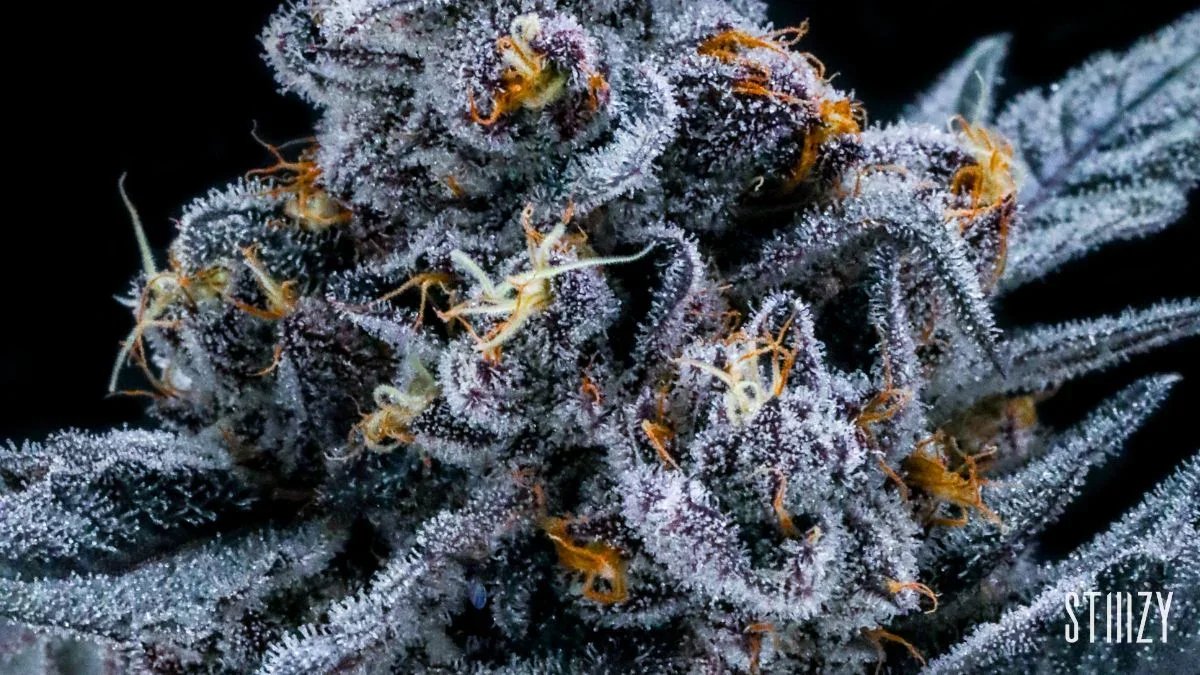
Several factors go into creating premium cannabis, as any professional grower will tell you. Here are the common top-shelf grade cannabis components:
Genes: Selective breeding over decades has made some strains better than others when it comes to terpene and cannabinoid content.
Healthy soil: Good soil with plenty of microbes supports top-shelf results.
Proper nutrition: Like any plant, cannabis needs the right nutrients — mainly nitrogen, phosphorus, and potassium — at the right time to produce stellar results.
Drying and curing: Proper handling of nugs after harvest preserves the trichomes, the small and delicate glands on the cannabis plant where cannabinoids, terpenes, and other beneficial phytochemicals are produced. Genetically superior cannabis tastes, smells, and smokes better.
Top-shelf weed is sometimes called “loud weed” for its potent fragrance and high quality. It also has other synonyms, including “high-grade” and “fire.”
What is low-grade weed?
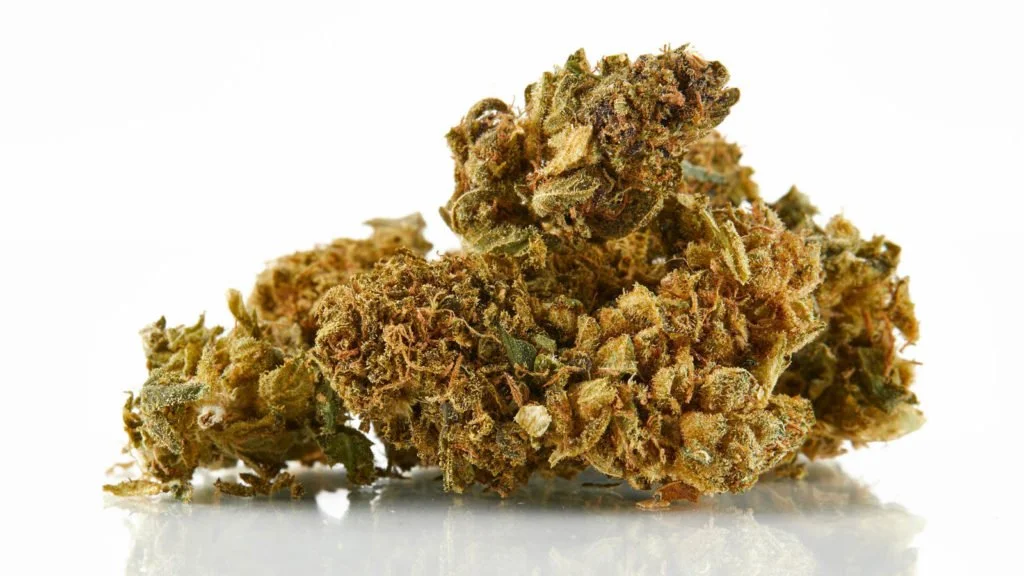
Schwag, or low-quality cannabis, is characterized by its dull appearance, dusty aroma, low potency, and overall subpar quality. A host of other weed slang terms, including dirt weed, skunk weed, catnip, brown weed, or ditch weed, also refer to low-quality cannabis.
Photo by: Gina Coleman/Weedmaps
Depending on how bad the weed is, it might be unsafe to smoke, especially if it's moldy or contains pesticides. Low-grade weed is also usually dried out or smells weak.