Big Alcohol’s Weed Panic Isn’t Random. The Data Explains It
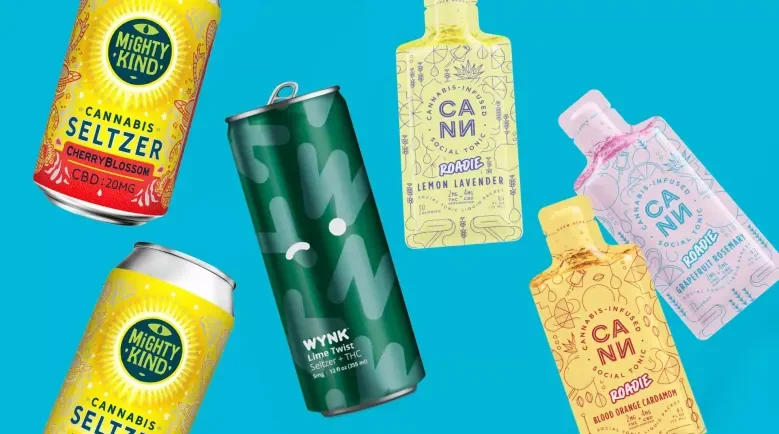
Study: Cannabis beverages are linked to lower alcohol use
Data published in the Journal of Psychoactive Drugs suggests that adults who consume cannabis-infused beverages are more likely to substitute cannabis for alcohol and to reduce how much they drink once they do. The paper is titled “The Exploration of Cannabis Beverage Substitution for Alcohol: A Novel Harm Reduction Strategy.”
The abstract is available on PubMed.
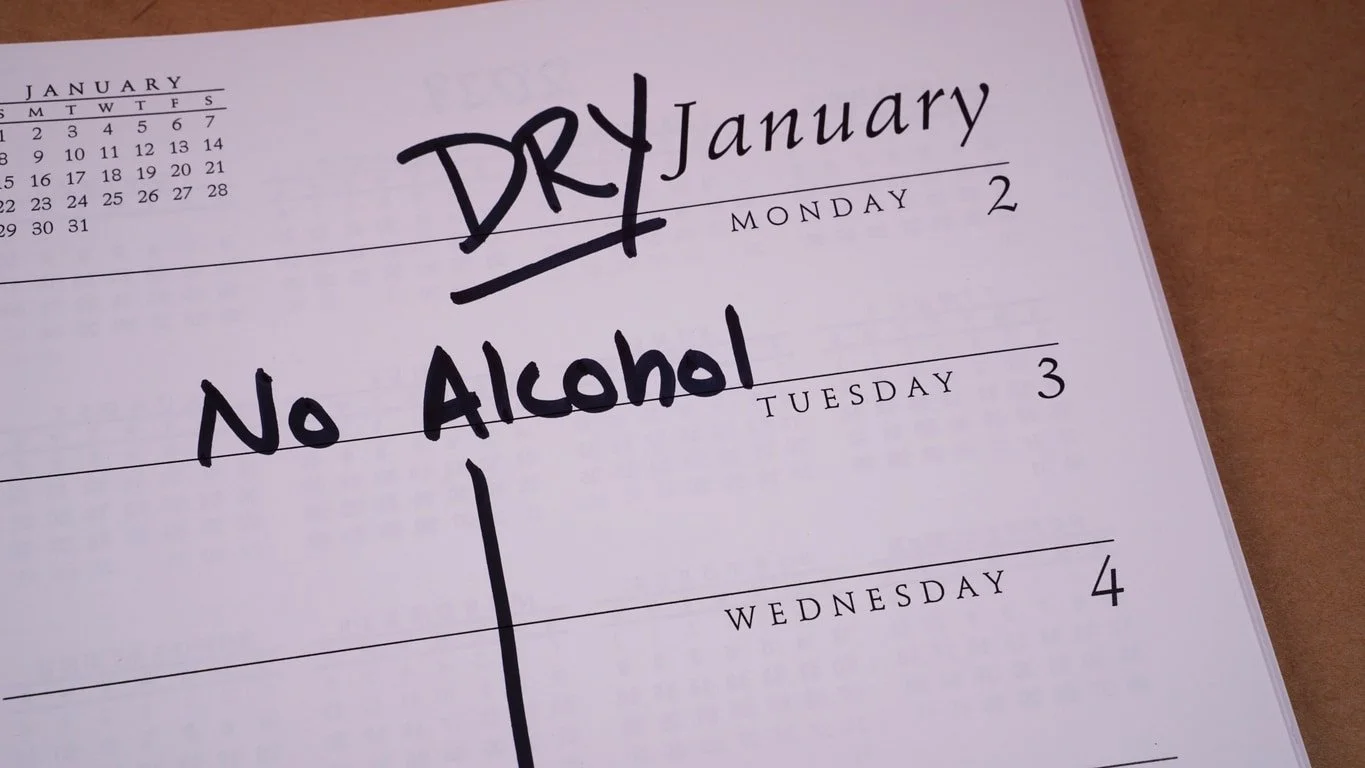
Among the study’s key findings, roughly one-third of respondents reported using cannabis beverages. Those users were more likely to say they substituted cannabis for alcohol than non-users. They also reported fewer weekly alcoholic drinks after starting cannabis beverages and less frequent binge drinking.
NORML summarized the findings in a January 15 post: “Study: Cannabis Beverages Associated With Reduced Alcohol Consumption.”
This isn’t a miracle. It’s a pattern.
None of this means cannabis is for everyone. And it doesn’t mean everyone who drinks is about to switch from beer to a THC seltzer. The study relies on self-reported survey data and cannot prove cause and effect.
What it does add is weight to a pattern researchers keep seeing across different settings. For some adults, legal cannabis functions as a substitute for alcohol. And when that substitution happens, alcohol consumption tends to drop.
Why this matters for the “Big Alcohol” conversation
To be clear, none of this proves a coordinated fear campaign. We can’t see anyone’s internal strategy documents.
But incentives don’t require conspiracy. If cannabis beverages are associated with lower alcohol consumption for some people, the motivation is obvious. Alcohol has every reason to protect its market, shape the narrative, and slow the momentum of a competing drink category. You don’t need secret meetings to get predictable behavior. You just need money on the line.
Kesselman’s argument reflects that logic. If alcohol companies believe cannabis is winning, he says, the answer is competition, not panic.
“Let’s compete fairly in the market,” he said. “If people like weed better, let them buy the weed, man. Get into the weed game. If you’re so concerned about it, make your own beverages.”
When public conversation is dominated by viral anecdotes and alarming headlines, data matters more than ever. Not to dismiss real medical issues, but to keep the story proportional. If substitution is happening, cannabis beverages are no longer a novelty. They are a pressure point.