Can You Work Out High? What Science and Athletes Say About Cannabis and Fitness

Cannabis and fitness used to sit on opposite ends of the wellness spectrum. One was seen as a slacker’s indulgence, the other a productivity-fueled path to discipline. But the cultural tide is shifting fast. Today, millions of Americans are openly combining weed and workouts—and not just in private. From yoga classes infused with cannabis to athletes admitting to microdosing before a lift, a new question is taking center stage: Can you work out high? And better yet—should you?
A Growing Trend Among Fitness Enthusiasts
Across the U.S., both casual gym-goers and professional athletes are integrating cannabis into their fitness routines. According to a survey published in Frontiers in Public Health, more than 80% of cannabis users who work out say they use it shortly before or after exercise. Most report enhanced enjoyment, improved recovery, and a stronger sense of focus.
The stigma that once clouded cannabis use in athletic spaces is thinning. From trail runners in Colorado to bodybuilders in California, anecdotal stories point to a trend that’s hard to ignore: cannabis—particularly in low to moderate doses—may be helping people move better, breathe deeper, and feel more in tune with their bodies.
How Cannabis Affects the Body During a Workout
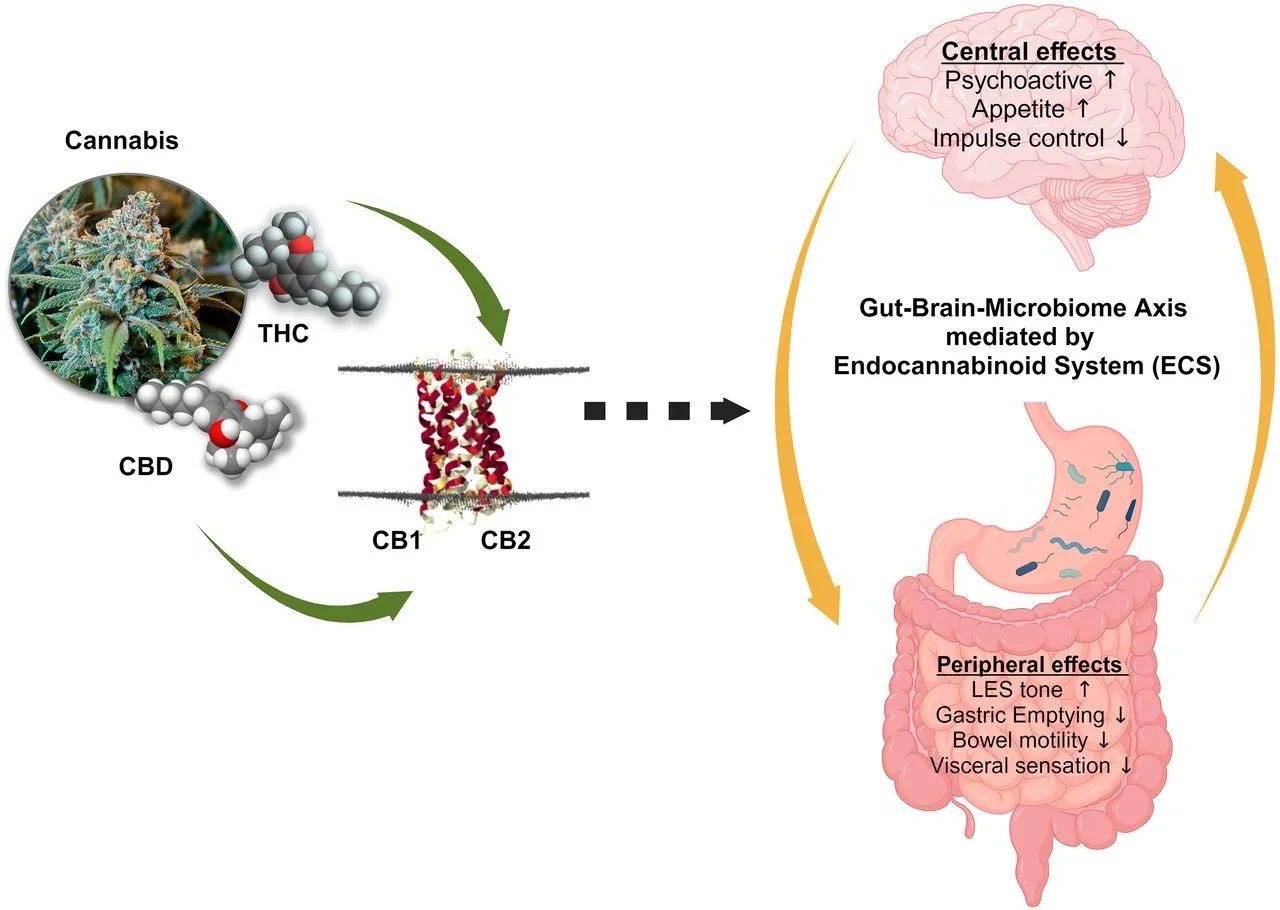
To understand the connection between weed and working out, it’s important to look at the science. Cannabis interacts with the body’s endocannabinoid system (ECS), a complex network of receptors that regulate mood, pain, inflammation, and more.
THC and Physical Activity
THC, the compound responsible for cannabis’s psychoactive effects, can heighten sensory perception and alter pain sensitivity. This might explain why some users say they can push through an extra set or tune out gym distractions more easily when they’re high. Certain strains—typically sativa-dominant—are known for increasing energy and euphoria, which some interpret as motivation boosters.
However, THC can also elevate heart rate and decrease reaction time. So if your workout includes heavy machinery, sprint drills, or high-risk movements, cannabis might impair performance or increase injury risk.
CBD and Recovery
Unlike THC, CBD doesn’t produce a high but plays a significant role in muscle recovery. Its anti-inflammatory properties can reduce post-exercise soreness and help muscles rebound faster. Many athletes now use CBD tinctures, balms, or capsules as part of their cooldown regimen. Studies have shown that CBD may help lower cortisol levels and ease delayed-onset muscle soreness (DOMS), making it a valuable post-workout companion.

Real Athletes, Real Results
It’s not just weekend warriors getting high before hitting the squat rack. Former NFL players like Ricky Williams and Eugene Monroe have become vocal cannabis advocates. UFC fighters such as Nick and Nate Diaz have openly used CBD and THC, both in training and competition prep.
Even ultramarathoners like Jenn Shelton and fitness influencers on TikTok and YouTube are documenting their cannabis-enhanced workouts, claiming it improves endurance, minimizes pain, and makes repetitive tasks like long-distance running feel less tedious.
Legal, Safe, and Smart Use
If you’re considering mixing cannabis with your fitness regimen, be sure you’re doing it in compliance with your local laws. In legal states like New York, licensed dispensaries offer a wide variety of products designed for different effects—from energizing vape pens to recovery-focused edibles and tinctures.
Also, listen to your body. Cannabis impacts everyone differently, and even regular users may have off days. Start with low doses and increase gradually if you find the experience helpful.
Final Takeaways: Should You Get High Before the Gym?
There’s no universal yes or no. Cannabis can enhance certain types of workouts for some people while hindering performance for others. The type of exercise, strain of cannabis, dosage, and your personal tolerance all play major roles. The new wave of weed-and-wellness culture suggests that cannabis doesn’t have to be a barrier to a healthier lifestyle. In fact, for many, it’s become a useful wellness tool when used mindfully and in the right context.