Despite the biggest month ever, Connecticut cannabis sales decline in 2025, state data shows
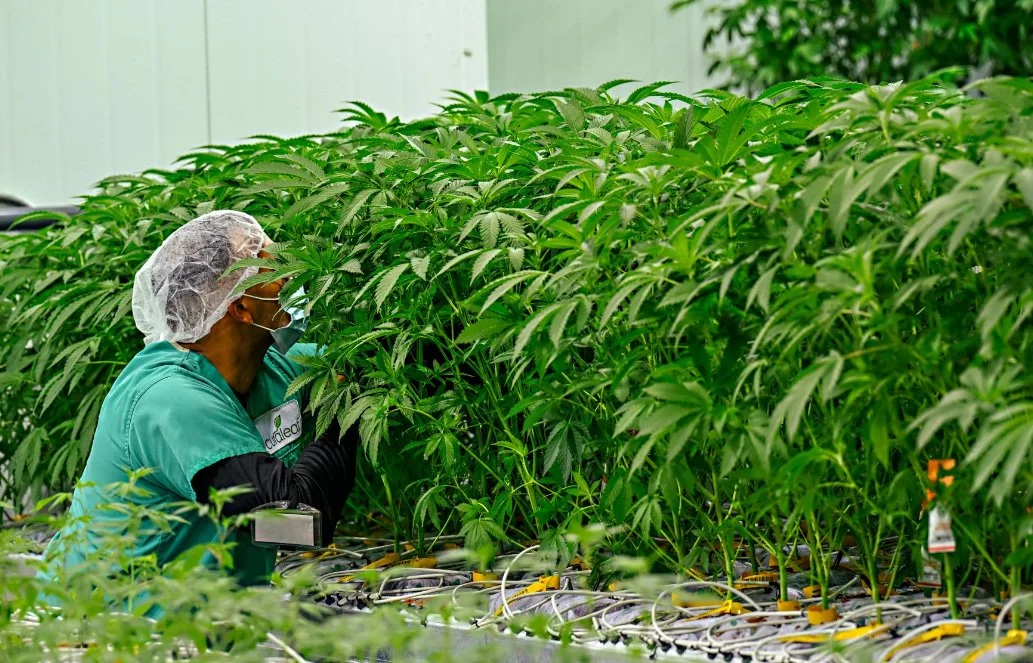
Despite steadily decreasing prices and more retailers, 2025 cannabis sales in Connecticut were lower than they were in 2024, state data shows.
December cannabis sales data, released Monday, showed a total of $26 million in sales, the highest total revenue in any month since cannabis became legal in Connecticut. All told, retailers in the state sold $290 million worth of cannabis in 2025, according to data from the state Department of Consumer Protection.
That's slightly below the total cannabis revenue in 2024, which hit $293 million, state data says. Though recreational cannabis sales were $17.6 million higher in 2025, medical cannabis sales were far lower compared to the previous year, $21 million less than in 2024, according to the state.
"I do think it's sort of a not great state of the market that three years in, we've not just maybe plateaued, but are sort of trending downward," said Ben Zachs, owner Fine Fettle, a cannabis retailer with dispensaries in Connecticut, Massachusetts and Georgia.
Though the total number of medical cannabis sales dragged 2025 revenue to below that of 2024, the state will reap the benefits from an increase in recreational cannabis sales as there are no taxes paid on sales of medical cannabis.
There are now 61 licensed cannabis retailers in Connecticut, 29 of which have hybrid licenses to sell both medical and recreational cannabis, state data shows. Connecticut's recreational market began in 2023 with nine hybrid retailers.
State tax data for the last quarter of 2025 has not yet been released, but as December's recreational sales were the highest in the state's history, collected taxes should exceed that of 2024.
A total of $20 million in taxes were paid to the state through cannabis sales in 2024, according to state data. There were $19.3 million in taxes paid in 2025, not counting the last quarter of the year. Those numbers do not count taxes paid to municipalities that are added to every sale, as well as state taxes.
The state has attempted to keep medical cannabis patients, according to Erin Gorman Kirk, the state's cannabis ombudsman, who acts as a liaison between patients who use cannabis and state regulators.