New Jersey Expands Labor Protections To Cannabis Employees
On January 12, 2026, New Jersey Governor Phil Murphy signed Assembly Bill 4182 amending key sections of the New Jersey Employer-Employee Relations Act (NJEERA).
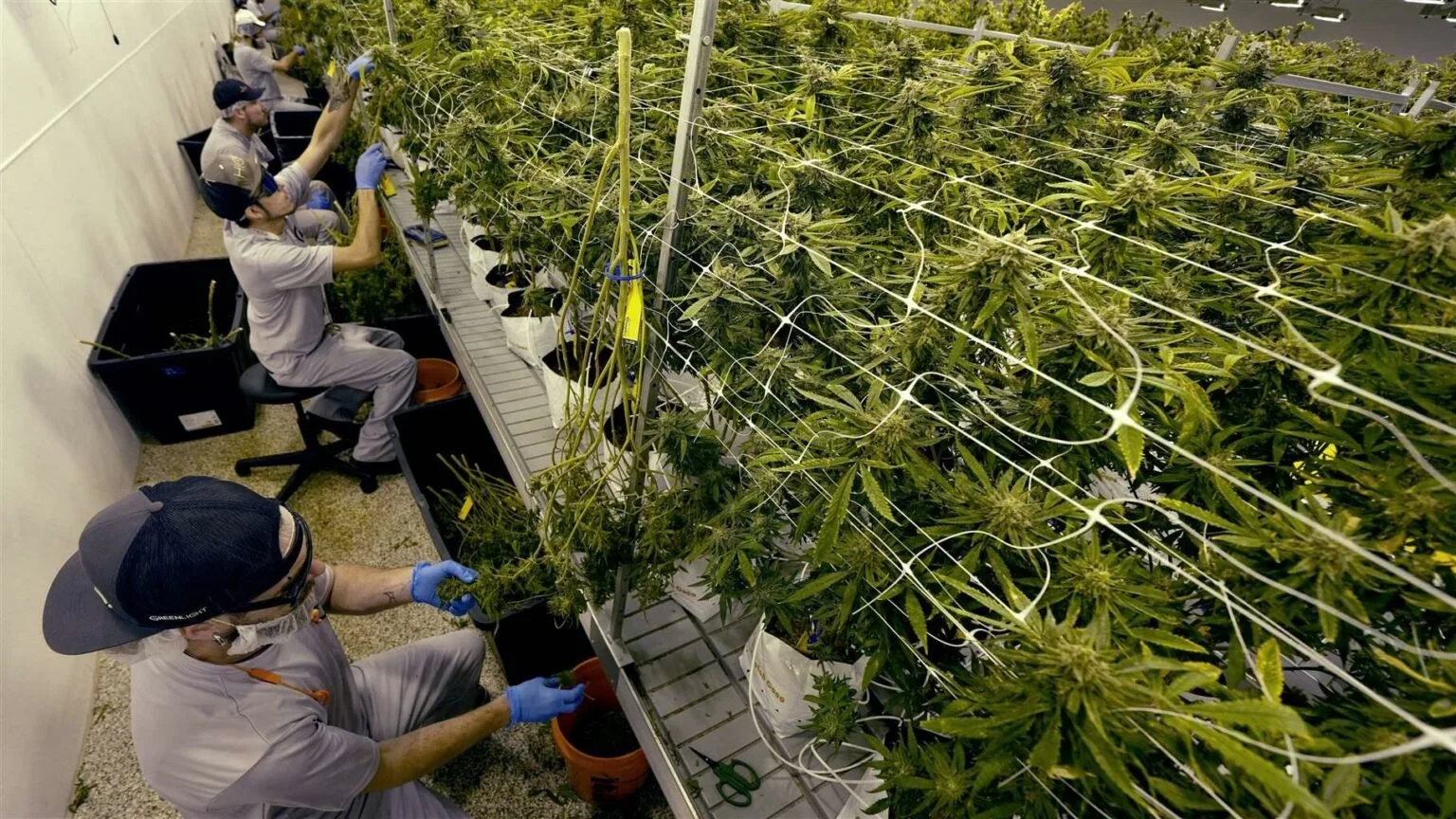
This new legislation, which contains multiple pages of additional text, (1) implements a significant shift for cannabis employers, imposing labor law obligations that previously did not apply to their workforce and (2) imposes some burdens on other private sector employers whose employees are not covered by the National Labor Relations Act. Until now, many cannabis workers—particularly those employed by licensed cultivators—were excluded from protections against unfair labor practices under federal and state law given that they were exempted from the National Labor Relations Act (NLRA). Assembly Bill 4182 closes that gap by expanding the authority of the New Jersey State Board of Mediation (NJSBM) within the Department of Labor and Workforce Development to oversee cannabis employment not regulated by the NLRA.
Cannabis Employer Obligations
Cannabis employers now face substantial compliance requirements. They must allow unions enhanced access to employees, including providing employee lists, permitting on-site meetings (and meetings in employer-controlled living quarters), and communicating with new hires. Once recognized, unions may engage in public campaigns related to disputes, including urging consumers not to patronize certain businesses. Finally, there is a provision in the law that if a labor contract is not reached after 90 days, the matter may be referred to the NJSBM for mediation. If after 30 days, the NJSBM cannot resolve it, either party may refer the matter to binding arbitration. This is a monumental shift from the manner in which collective bargaining typically occurs and ignores the long-standing data indicating that bargaining a first contract takes an average of 15 months.
"Majority Support Petition"
Also of significant impact to employers, this new law creates a mechanism for employee organizing dubbed the "Majority Support Petition." The Petition empowers labor organizations to become the exclusive bargaining representative for cannabis workers without requiring a traditional representation election. To initiate this process, a union must submit a petition to the Division of Private Employment Dispute Settlement asserting that at least 50% of employees in the bargaining unit signed authorization cards, based on the employer's most recent payroll data. It must also confirm that no valid representation election has occurred within the prior 12 months, and that no existing collective bargaining agreement blocks certification.
Division of Private Employment Dispute Settlement
Notably, the law establishes a new Division tasked with enforcing labor rights for cannabis and other private-sector employees excluded from the NLRA. Working alongside the NJSBM, the Division will resolve disputes, conduct investigations, issue subpoenas, and compel testimony. It appears cannabis employers will interact primarily with this Division for compliance matters, making it essential to prepare HR and legal teams for this new oversight.