Growing Like A Weed: Why Retail Cannabis Might Finally Get Its Moment in Virginia in 2026
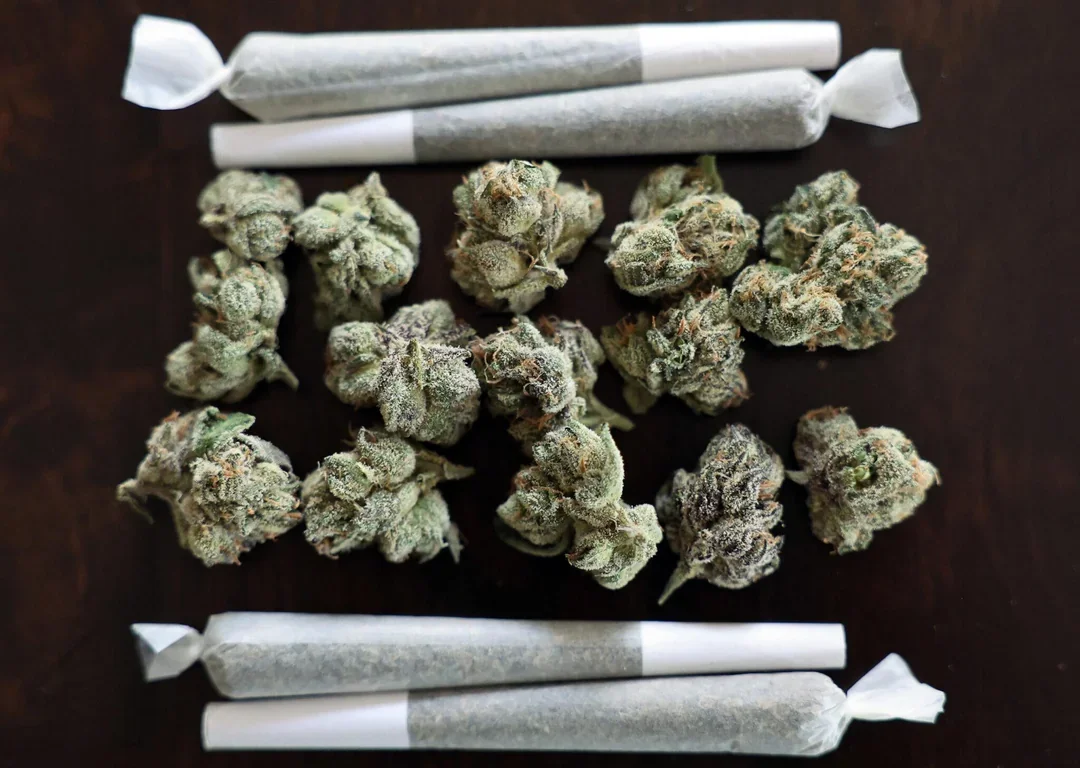
When it comes to Virginia’s approach to legal cannabis, the strategy appears to be “smoke ’em if you’ve got ’em.”
Despite recreational marijuana being legal since 2021, retail cannabis has struggled to break through GOP opposition. But at the start of 2026, Democrats are fully in power in both the legislature and governor’s office—and Democratic lawmakers want to make it happen. Could that be enough to clear the air for retail pot?
Slow & Steady
The hesitation is understandable, given the traditional challenges of the legal weed market. Virginia’s recent governors have, to varying degrees, held back progress on retail cannabis. Democrat Ralph Northam, recovering from a high-profile political scandal, chose to favor decriminalization, while Glenn Youngkin and Republicans ultimately blocked such efforts from passage.
Spanberger, the state’s first female governor, could face unforeseen challenges in implementing her agenda, just as Northam did.
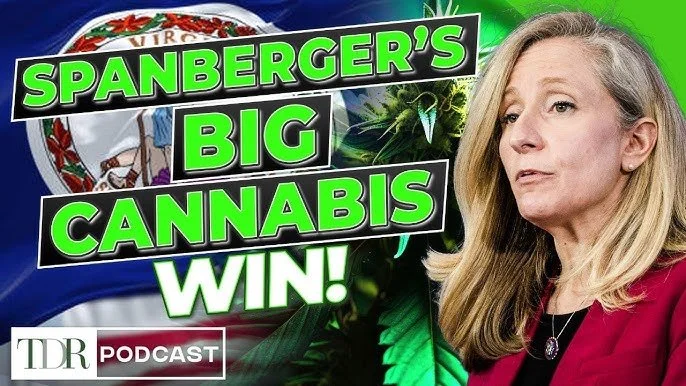
Virginia Governor Abigail Spanberger
But on the plus side, lawmakers have had a chance to study the nuances of the regulations to ensure each part of the retail ecosystem, including growing and the placement of retail stores. Virginia’s Cannabis Control Authority has proposed as many as 350 stores statewide, and is planning to prevent localities from opting out of the recreational market. “That is absolutely huge,” Morring says.
Lessons From Hemp
One plus side of the long wait? The state got an up-close view of a poor implementation of legalization from the federal government. By removing hemp from the list of controlled substances, the 2018 Farm Bill created a federal loophole that emerged as a tough-to-regulate mail-order market for CBD gummies and THC-laced sodas.
Virginia responded by passing S.B. 903, which tightly restricted the amount of THC in hemp-derived retail products sold in the state. The resulting law, which some hemp farmers have described as unmanageable, was far stricter than federal law—and ultimately upheld by a federal appeals court last year.
Morring believes that the controversy around hemp ultimately reflects the state’s challenges in launching a retail cannabis market, which encouraged some growers to look for a “bypass.” But there’s a silver lining in the law being upheld—it ensures that Virginia’s path forward is a well-regulated market that prevents out-of-state players from dominating
State Laws, Federal Wild Cards
The hemp saga ultimately reflects the way that the federal government can reshape the discussion at the state level. For example, President Trump recently signed an executive order ordering the reclassification of marijuana under the Controlled Substances Act.
Among other things, Morring says this could ultimately benefit retailers and growers by making it easier to access banking resources and tax deductions, which have previously been off-limits to retail cannabis, allowing them to “to operate essentially like a regular business.” This could make life easier for budding entrepreneurs, especially growers facing capital-intensive startup costs.