Pennsylvania needs prescription-strength oversight for medical cannabis
In Pennsylvania, physicians who treat chronic pain operate under two very different systems of accountability when it comes to controlled substances.
The value of these systems is reflected in the steady decline of prescription opioid misuse and overdose deaths in recent years. Strong, transparent oversight has saved lives.
Medical cannabis, however, sits outside this structure entirely. After a patient receives approval for medical cannabis, dispensaries can recommend a wide array of products, potencies, and formulations—with almost no clinical oversight.
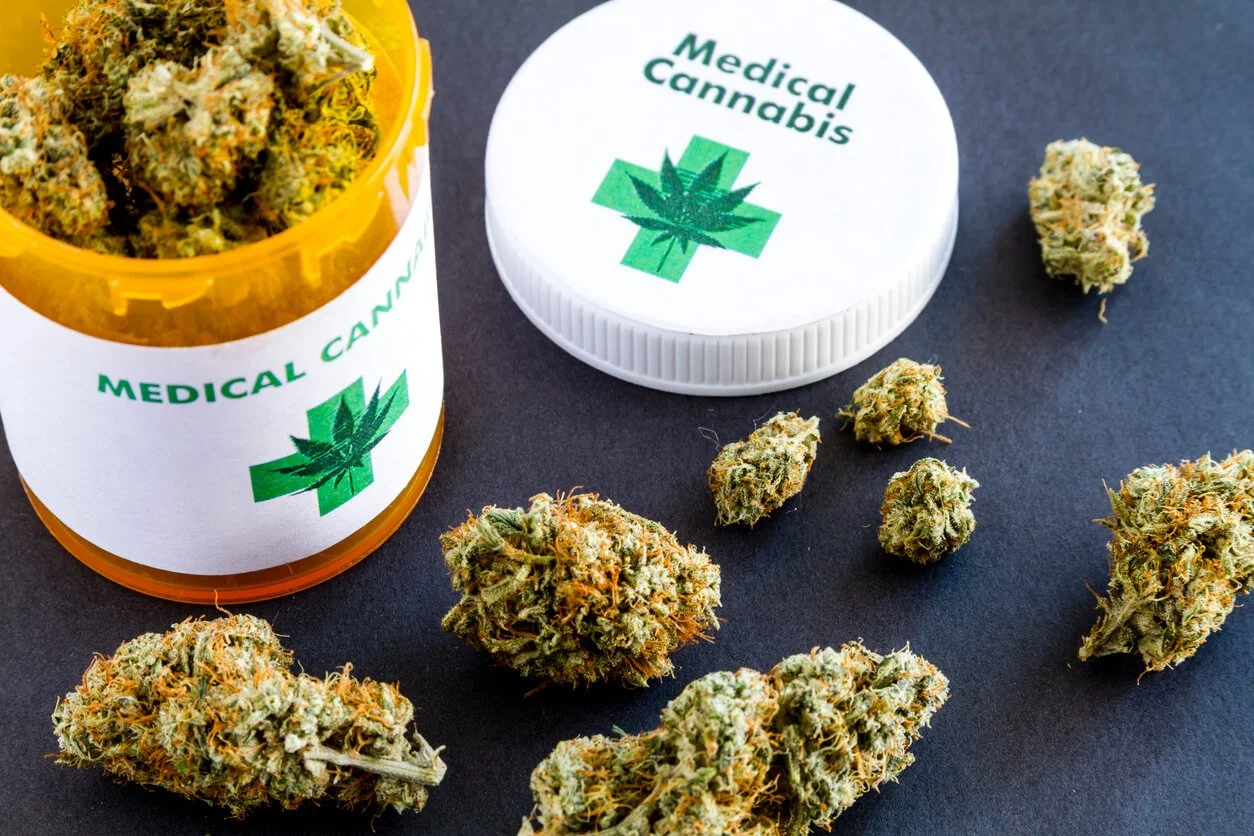
Physicians have no direct access to dispensing records and must rely solely on patient self-reporting, which is often incomplete, confused, or inconsistent. There is no integration with the electronic health records or data systems that help keep patients safe in every other area of clinical medicine. This lack of accountability leaves patients vulnerable to unpredictable dosing, drug interactions, and adverse effects. It also creates a situation in which medical cannabis, intended partly as a harm-reduction tool, can unintentionally adopt some of the same risks we worked so hard to reduce during the opioid epidemic.
Without a statewide electronic prescribing system, physicians cannot coordinate care, tailor dosing, or identify early signs of problematic use. This double standard is troubling, especially as more patients turn to cannabis specifically to avoid long-term opioid therapy. When the state holds cannabis to a lower regulatory standard than opioids, patient safety inevitably suffers.
From a clinician’s perspective, consistent and accurate lab testing is essential.
When patients use cannabis for medical purposes, physicians must trust that the products they rely on are precisely what the label describes. While HB 33 requires initial investment in improved oversight, these costs are expected to be offset by modest licensing fees and long-term savings from more efficient program management, fewer quality failures, and reduced patient harm.
Without these tools, medical cannabis remains the only controlled substance in the state for which physicians cannot monitor patient use, confirm dosing, or intervene when patterns of risky behavior emerge. These capabilities are foundational to safe prescribing and were central to Pennsylvania’s success in improving opioid safety. Extending these principles to medical cannabis is not about restricting access—it is about bringing the same standard of care to a widely used therapeutic agent.