New year, new leaf: setting cannabis intentions for 2026
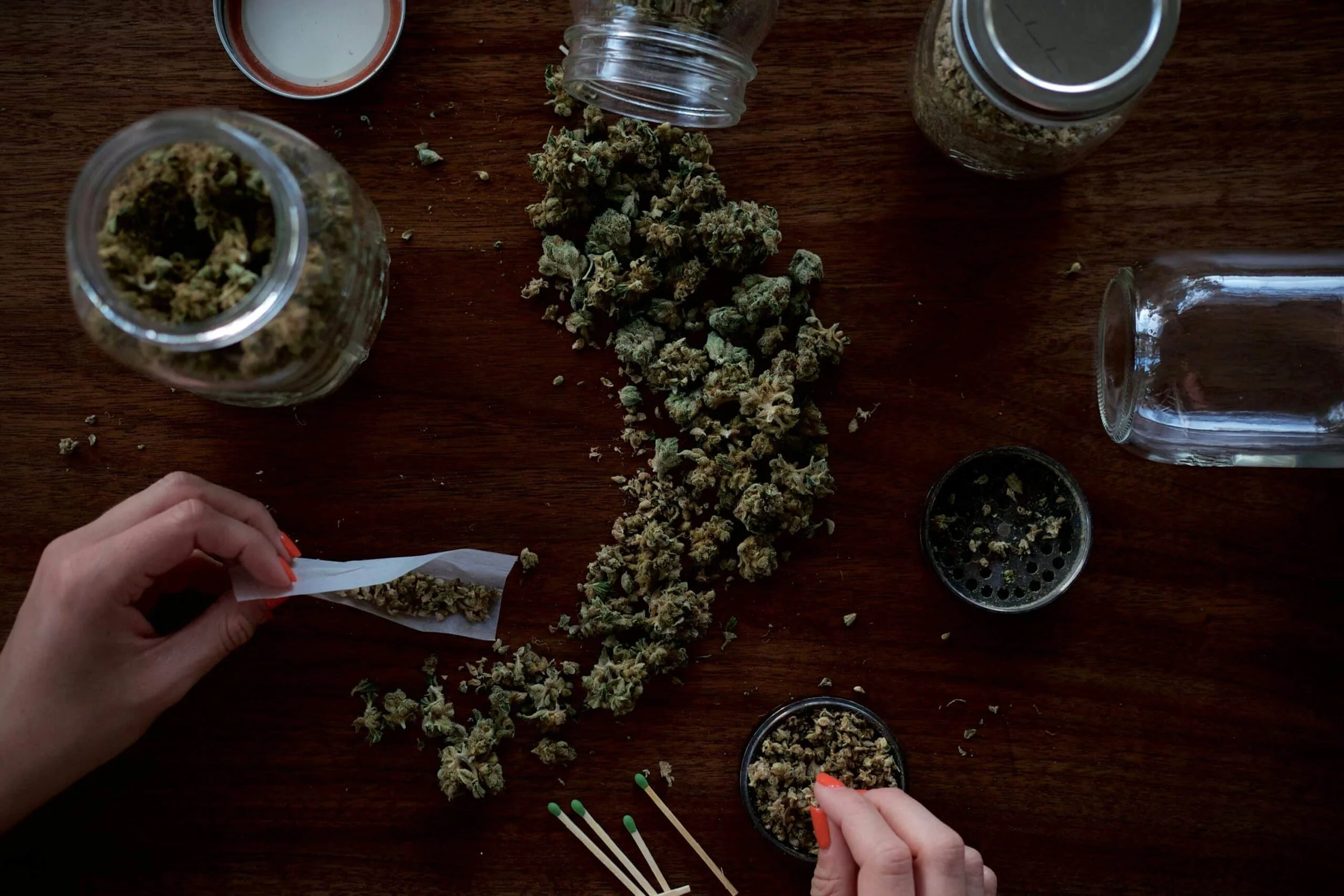
As the holidays wind down and we all try to figure out when the next trash pick-up is, the new year looms, and with it the pressure to set goals and reflect. Many of us take the new year as an opportunity to reflect on our relationships with various substances, including cannabis — exploring Dry January, Cali Sober approaches, switching to healthier consumption methods, or other personal choices. Whatever the approach, intentionality enhances the experience and helps you better align with your goals.
Defining clear cannabis wellness intentions for yourself is a great way to maximize return on the time, effort, and resources you invest in your experience. Sometimes it pays to consider how you smoke versus how you want to be smoking.
Intentional vs. mindless consumption: what's the difference?
Let's face it: Sometimes mindless consumption is great. When you're exhausted after a hard day or waking up after a rough night, a little casual consumption can be a smart relaxation strategy — it takes the pressure off and can help you reorient.
But for those days when you want to truly expand your horizons, smoking with intention can be a great way to cultivate new hobbies and enjoy new experiences. It's great to smoke at home after a long day, but you can also break the mold and try new things.
When you smoke before you start a big creative project, check out a new exhibit at the museum, head out into nature, or go out and meet new people, these are all ways of promoting intentional cannabis use. It's all about how you feel and what you're doing.
Getting curious about terpenes and cannabinoids
The indica, sativa, or hybrid characteristics of a strain are just one layer of understanding a strain's composition and effects.
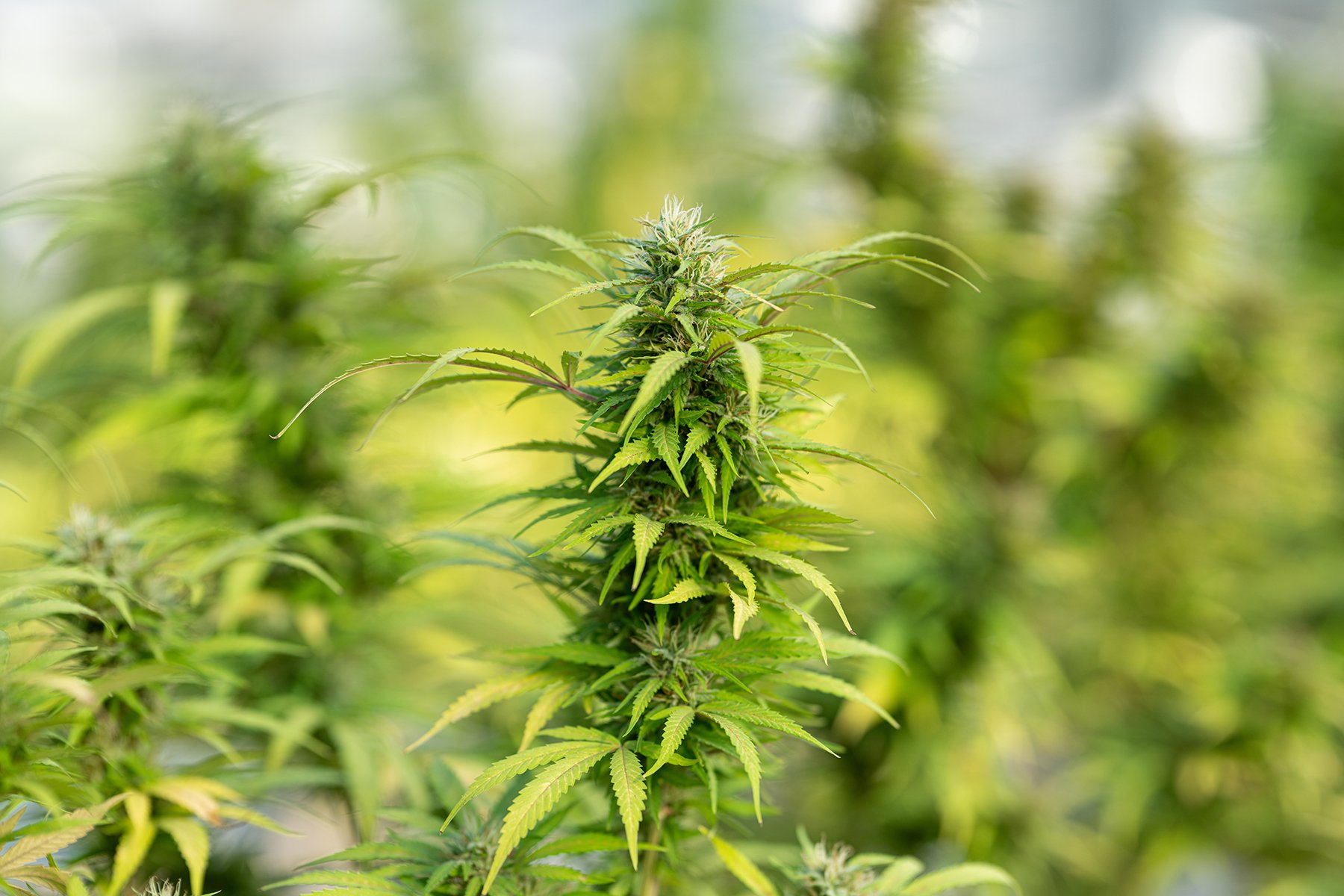
If you want to go a little deeper, it can help to understand terpenes, cannabinoids, and how they help determine the way we experience and enjoy a particular cannabis strain.
Cannabinoids
Most consumers know that THC is the primary cannabinoid involved in producing the psychoactive effects of cannabis. But depending on a product's cannabinoid profile, you may also encounter other types, such as CBD, CBG, and CBN.
While CBD (cannabidiol) has a balancing effect that makes many strains more accessible, CBG (cannabigerol) promotes clarity and focus. CBN (cannabinol) is a great cannabinoid to target for evening use, ideal for winding down after work or easing into sleep a bit more quickly.
Common terpenes
Here's a quick guide to some of the most common terpenes, how you can recognize them based on flavor, and what effects you can usually expect:
Caryophyllene: spicy and earthy, promotes entourage effects and fights inflammation
Limonene: strong fruit smell, good for potency and relaxation
Linalool: musky and sweet, with a tendency toward upbeat effects
Myrcene: mellow fruit smell, often more sedative
Pinene: strong pine scent, promotes clarity and balanced effects
Terpinolene: citrus forward, associated with relaxation and mood elevation
Setting cannabis intentions for 2026
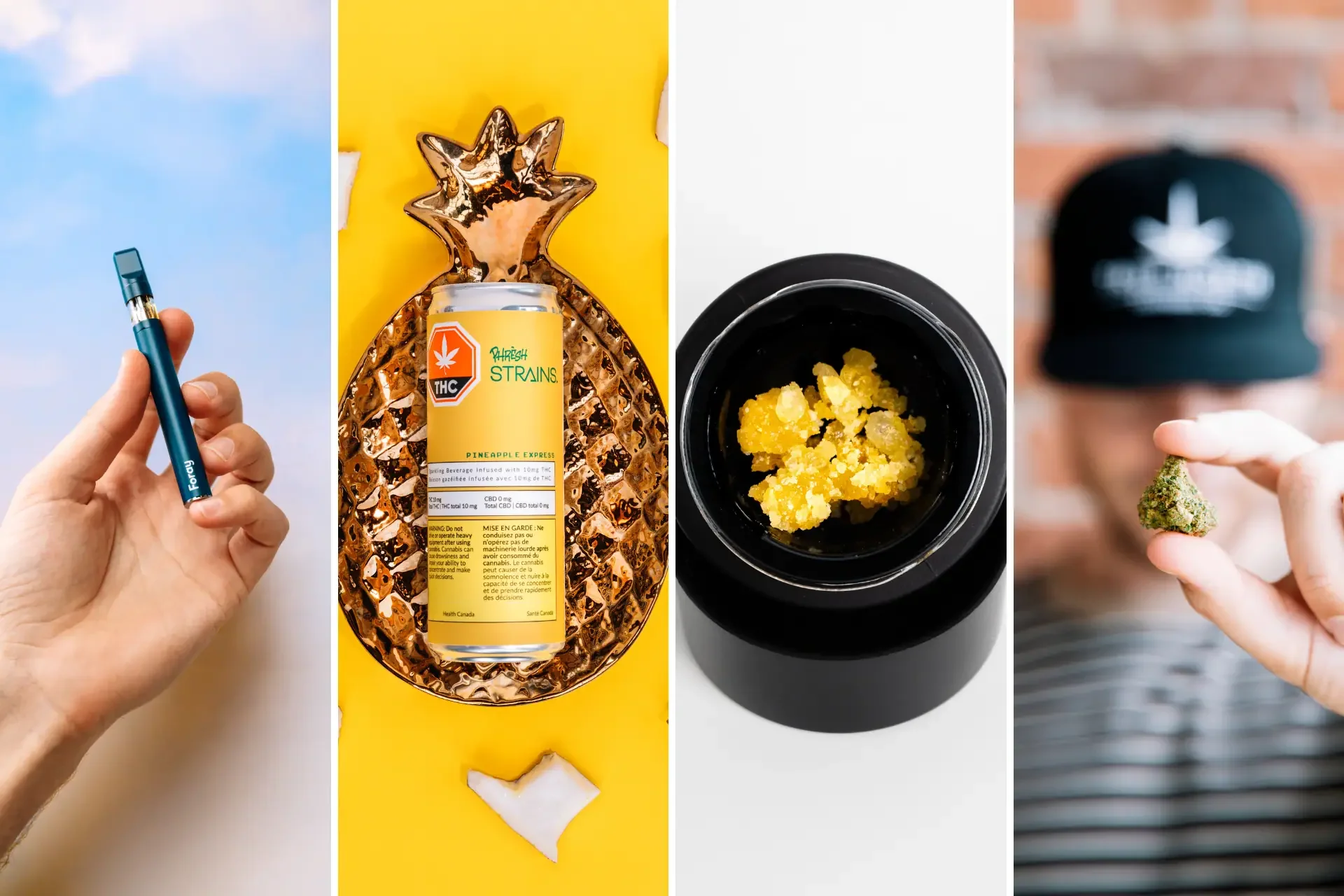
How you develop more mindful cannabis consumption is up to you, but if you need a little guidance, here are some good cannabis New Year's resolutions to help move toward more intentional habits:
Explore terpene profiles for specific flavors and effects
Try a different consumption method each season
Support social equity brands when possible
Explore 420-friendly events in the area
Track consumption closely for one month
Prioritize quality over convenience
Consume less frequently but more intentionally
Learn about the many minor cannabinoids present in various strains
Consider the concept of “set and setting” in relation to consumption
Try a new hybrid from one of your favorite strains