Who is behind the $1.5M spent to abolish legal weed sales in Massachusetts?

Massachusetts voters could face a decision this November over whether to abolish legal cannabis sales in the commonwealth. And if they do, voters can look to an out-of-state group as a primary reason why.
A national interest group based outside Washington, D.C., donated all of the $1.55 million raised last year by the Massachusetts campaign committee seeking to ban marijuana sales and reverse the 2016 ballot initiative for legalization, according to campaign finance records released last week.
The group, Smart Approaches to Marijuana, or SAM, is a leader of the anti-legalization movement and an active player in cannabis ballot initiatives in other states.
SAM has opposed legalization efforts in recent years in at least Arizona, Florida, Maryland, New Jersey and Ohio.
The organization had already declared its support for the 2026 ballot initiative in Massachusetts, which would repeal the state law that legalized marijuana sales in 2016 and established regulations and taxes for recreational pot.
SAM opposed President Donald Trump’s executive order in December to push forward the federal reclassification of marijuana as a less dangerous drug.
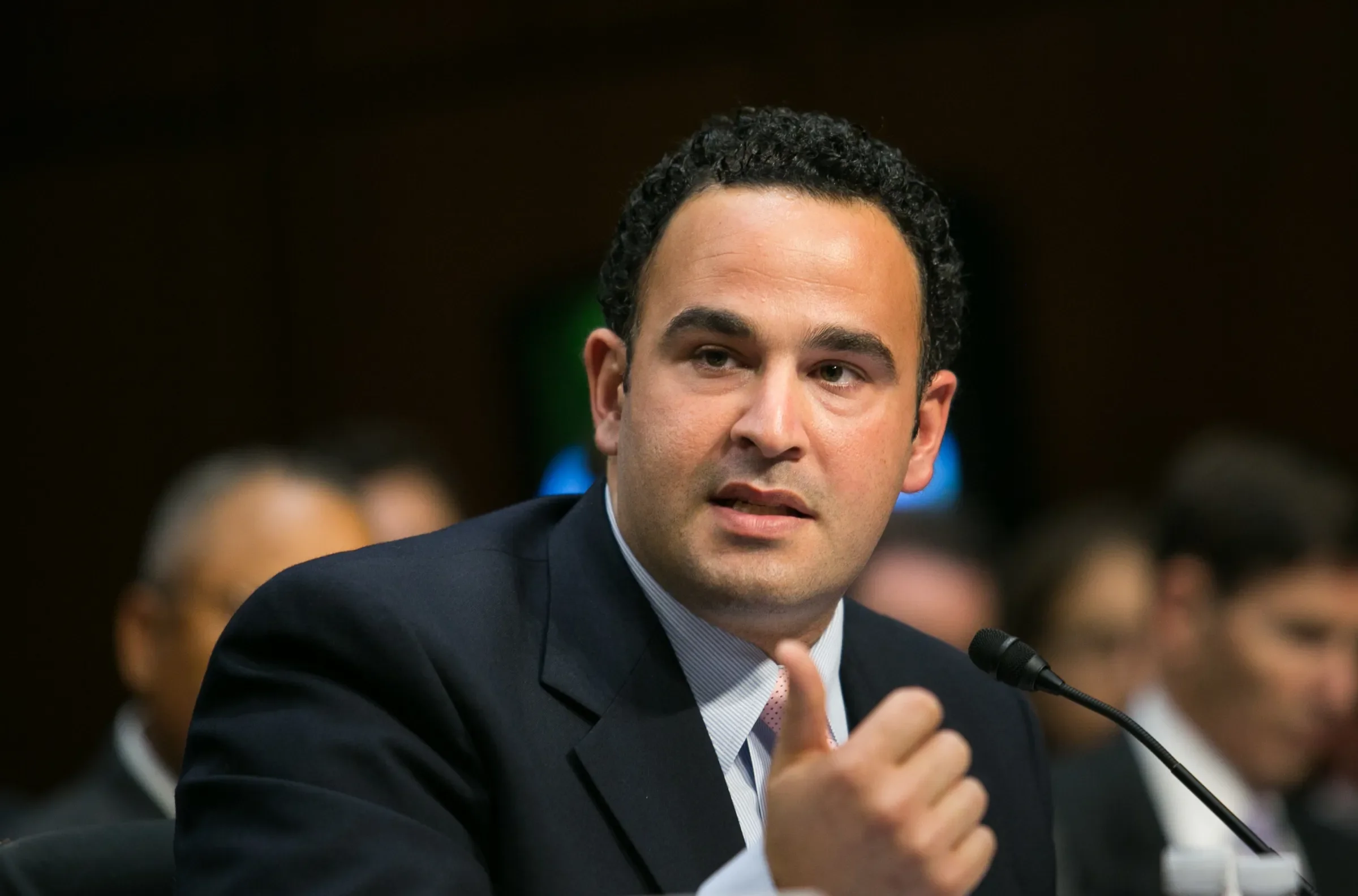
Kevin Sabet, SAM’s president and CEO,
Kevin Sabet, SAM’s president and CEO, responded by announcing “multi-million dollar support” for the ballot measure campaign in Massachusetts and a similar initiative in Maine.
“You could already feel the quality of life strain across our country, as it is,” he said, explaining his opposition to the proliferation of legal marijuana. “Walk a busy corridor in virtually every major city and the influence and the smell of marijuana is inescapable.”
While attempts to legalize marijuana have failed in some states, no state has passed a law allowing marijuana sales only to later roll it back, according to MJBizDaily, a cannabis industry publication.
While the proposed ballot measure in Massachusetts would eliminate recreational marijuana sales, it would keep the state’s medical marijuana law in place. Recreational pot shops would be able to apply for licenses to become medical dispensaries.