Super Silver Haze and the Golden Age of Cannabis Competition

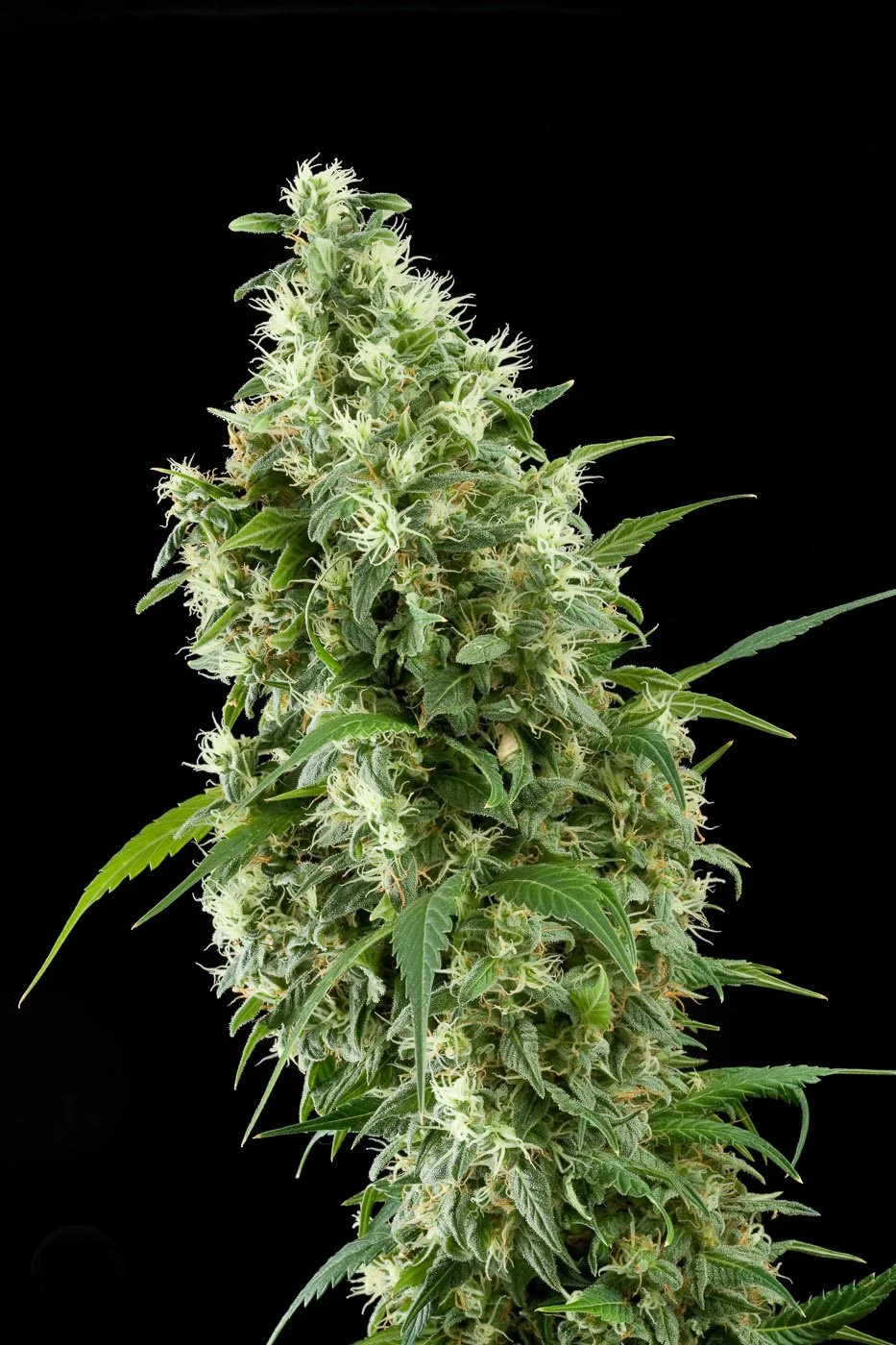
Super Silver Haze represents a peak moment in modern cannabis history when breeding, competition, and culture converged. It emerged during the late 1990s as one of the most refined expressions of sativa-dominant hybridization and became synonymous with quality during the height of international cannabis competitions. Few strains have earned such sustained recognition while influencing breeding standards across continents.
This strain spotlight explores the origins, breeder contributions, and cultural impact of Super Silver Haze. It is a historical recounting rather than a review or endorsement, focused on how this cultivar helped define an era of cannabis excellence.
Origins in Dutch Breeding Culture
Super Silver Haze was developed in the Netherlands during the mid to late 1990s, a time when Dutch seed companies were leading global cannabis innovation. The Netherlands provided a unique environment where breeders could refine genetics, host competitions, and distribute seeds internationally. This openness allowed experimentation and documentation that shaped modern cannabis breeding.
Super Silver Haze was created by Green House Seed Company, one of the most influential breeders of the era. The strain resulted from crossing Skunk, Northern Lights, and Haze genetics. Each of these parent lines already carried significant cultural and genetic weight. Their combination produced a cultivar that balanced vigor, structure, and a distinct cerebral experience.
Defining the Sativa Hybrid Standard
Super Silver Haze helped redefine what sativa-dominant cannabis could be. Earlier Haze lines were prized for their effects but often criticized for long flowering times and challenging growth patterns. Super Silver Haze addressed these issues by introducing structure and predictability while preserving cerebral clarity.
Variations and Preservation Efforts
As Super Silver Haze spread, variations emerged through different seed lines and breeding interpretations. Some versions leaned more heavily toward Haze characteristics, while others emphasized structure and yield. Despite these differences, the core identity of Super Silver Haze remained recognizable. Preservation efforts focus on maintaining access to genetics that reflect the original breeding intent. This includes respecting flowering time, growth pattern, and effect profile. These efforts help protect the strain’s historical significance as markets continue to evolve.